What is PHPT?
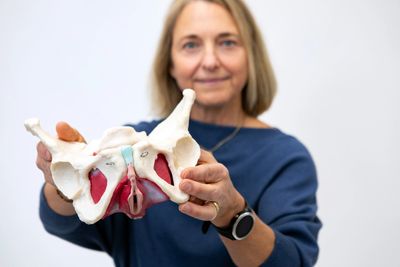
Pelvic Health Physical Therapy (PHPT) is a specialty practice that focuses on conditions that can occur related to the pelvic floor muscles and surrounding structures. PHPT can help to determine what might be contributing to or causing an individual’s symptoms and develop a plan to help these symptoms. Assessments involve a thorough biopsychosocial and symptom history taking as well as a musculoskeletal examination.
Evaluation of the pelvic muscles with an internal examination may be indicated to determine the strength and coordination of the muscles or identify if there is tightness that might be causing or contributing to the reported symptoms. An internal examination is not necessary for all patients and is determined with the patient’s input.
Treatment involves education and addressing the muscles with either strengthening or stretching/relaxing exercises.
Common Diagnoses treated:
- Incontinence (bladder and bowel)
- Pelvic organ prolapse
- Pelvic pain/painful intercourse
- Pre/post-partum conditions
- Voiding dysfunctions (urinary urgency, frequency, constipation, etc)
- Musculoskeletal/orthopedic conditions (abdominal, back, SIJ pain)
What is the Pelvic Floor?
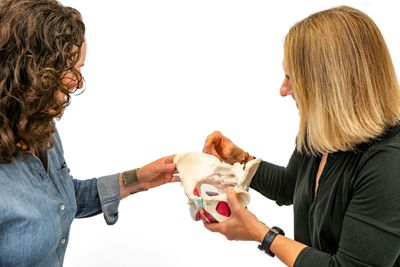
The pelvic floor is the group of muscles that attach to the pelvis and sacrum and provide support to the pelvic organs, control of bowel and bladder, core stability and sexual function. Pelvic floor muscles are sometimes weak and not providing the support and stability that we need for daily activities or bladder/bowel control, but they can also be tight and short contributing to pain or poor muscle function.